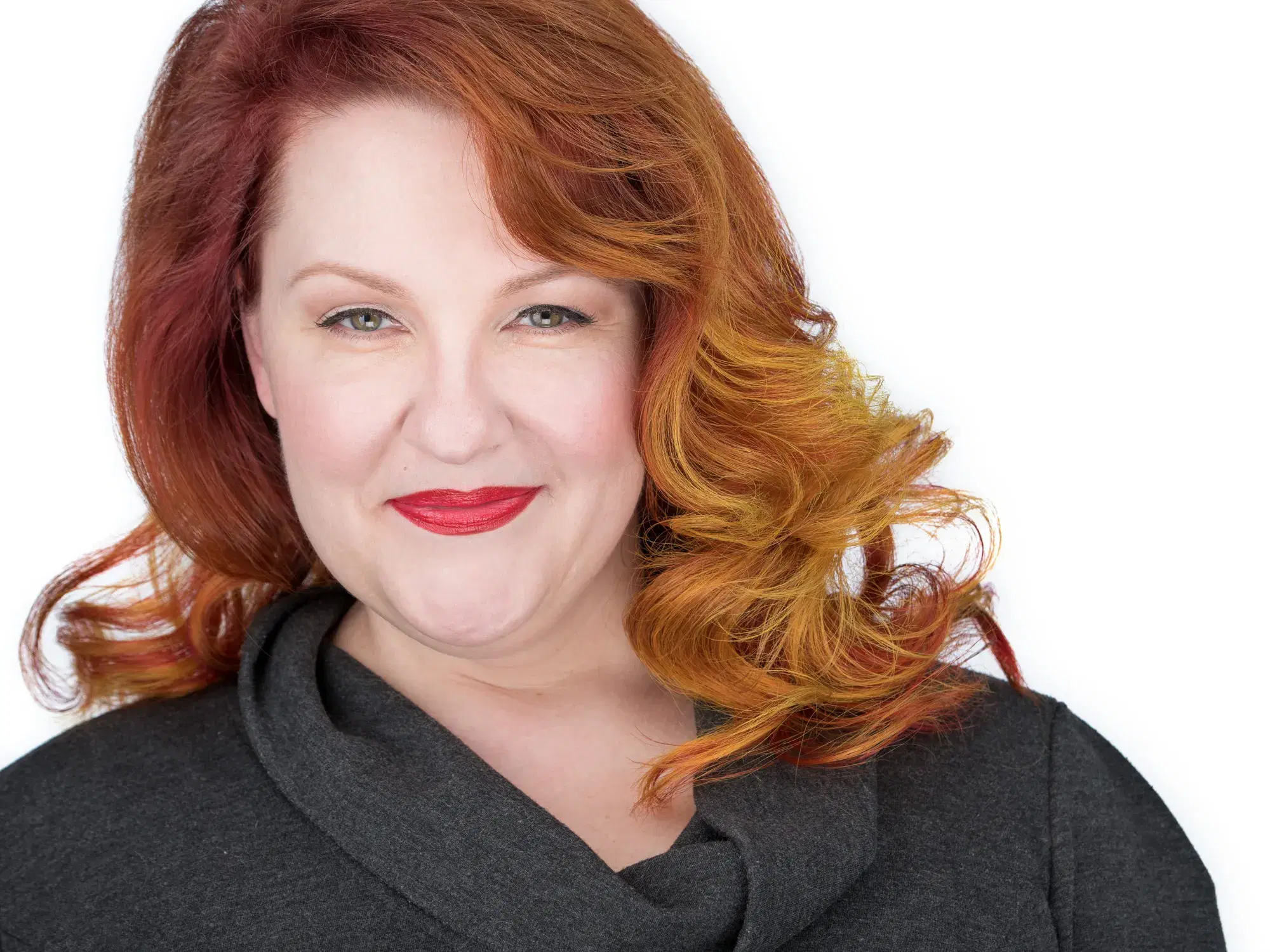
Your Headshot Gets 3 Seconds
When a casting director opens submissions for a role, they're not studying each headshot like a museum painting. They're scrolling through a grid of thumbnails — sometimes 500 or more — and making snap decisions about who gets a closer look. The average headshot gets about three seconds.
At that size — roughly one inch square on Actors Access or Casting Networks — your headshot has to do one thing clearly: make someone stop scrolling. Strong tonal contrast, a clear face, a simple composition. If your headshot disappears into the grid, it doesn't matter how good you are.
Multiple casting directors have compared the process to swiping on a dating app. It's instinctive and fast. You either stop the scroll or you don't. Everything else — your resume, your reel, your training — comes after.
What Gets You Trashed Immediately
Before we talk about what works, here's what casting directors say kills a submission before it starts.
The number one offense, universally cited: you don't match your photo. Over-retouching, photos that are three or more years old, or significant changes in weight, hair or age. If a casting director calls you in based on your headshot and someone different walks through the door, the audition is effectively over. You've wasted their time and burned a bridge.
Close behind: dead eyes. If the lighting doesn't catch life in your eyes, it's an immediate pass. Shadowed, unfocused or flat eyes make a headshot feel like a driver's license photo. Your eyes are where casting directors look first — they need to see a person thinking, not a person posing.
Other instant rejections: busy backgrounds or clothing that pulls focus from your face. Heavy retouching that removes all skin texture and character. Glamour-shot aesthetics that feel dated. And submitting a full-body shot when they asked for a headshot.
The 'Pretty' Shot vs. the 'Bookable' Shot
Here's something most actors don't realize: your friends and family will almost always pick the wrong photo.
The disconnect is well documented. When actors show their proofs to friends, they gravitate toward the most flattering image — the one where they look their best in the conventional sense. But casting directors aren't looking for flattering. They're looking for specific, castable and alive.
The headshot with a little more edge, a little more tension behind the eyes, a less conventional expression — that's the one that stops the scroll. It's the interesting face that gets the callback, not the perfect face.
This is one of the biggest reasons to work with a photographer who understands the acting industry. A good headshot photographer will push you toward the shot that books, not the shot that gets the most likes on Instagram.
Commercial vs. Theatrical: Know the Difference
Every actor needs to understand the difference between a commercial headshot and a theatrical one — even if the line between them has blurred in recent years.
A commercial headshot is warm, approachable, friendly. You're the person next door, the reliable parent, the trustworthy doctor in the TV ad. Slight smile — not a grin. Brighter lighting, softer energy. The question it answers: would I want this person in my living room via my TV?
A theatrical headshot is more intense, more complex. Serious or contemplative — not angry, but present. More dramatic lighting, tighter crop. It says there's something happening behind those eyes. The question it answers: is there depth here that I want to explore on stage?
In Boston's theater-heavy market, a strong theatrical headshot carries more weight than it would in commercial-dominated markets like Atlanta or Dallas. If you're submitting to the A.R.T., Huntington Theatre Company, SpeakEasy Stage or the regional circuit — Lyric Stage, Gloucester Stage, Barrington Stage, Williamstown — your theatrical shot needs to be your strongest.
That said, most Boston actors also submit for commercial and film work. Bringing 3–5 looks to a session lets us cover both ends.
Why Boston's Market Is Different
Boston isn't LA and it isn't New York, but it's not a small market either. The New England theater scene is one of the strongest regional circuits in the country, and it has its own expectations.
Local casting offices like Boston Casting and CP Casting have spoken publicly about what they want: headshots that are current, authentic, and look exactly like the person who walks through the door. The Boston market is smaller and more relationship-driven than NYC — casting directors here often know actors personally. Your headshot still needs to be professional, but your reputation reinforces or contradicts what it promises.
Boston actors frequently submit to both local and New York projects through Actors Access. That means your headshot needs to hold up against NYC-quality competition. Cutting corners on photographer quality isn't an option if you're serious about booking.
The A.R.T. has historically valued bold, unconventional choices. Huntington skews toward naturalism. SpeakEasy casts musical theater. Each has a slightly different aesthetic — but all of them want authenticity over polish.
Authenticity Is the Whole Point
If there's one theme that runs through every casting director interview, every SAG-AFTRA panel, and every Backstage article about headshots, it's this: be yourself.
Freckles, lines, asymmetry, scars — these aren't flaws to be retouched away. They're the features that make you castable for specific roles. Removing them in post doesn't make you more versatile. It makes you less interesting and harder to cast.
The industry term is 'type.' Casting directors are looking for a type — tough Boston cop, warm kindergarten teacher, intense corporate villain, quirky best friend. A headshot that clearly communicates your type will book more roles than one that tries to say 'I could be anything.'
Over-retouching doesn't signal professionalism. It signals inexperience. Casting directors see it and think: this actor doesn't know the industry well enough to understand what we actually need. Keep the retouching minimal — fix a temporary blemish, clean up stray hairs, and stop there.
Self-Tapes Changed Everything
The rise of self-tape auditions has quietly shifted what 'good' looks like in a headshot. Casting directors now expect your headshot to predict what you'll look like on camera in a self-tape — natural lighting, real skin texture, authentic expression.
The old-school studio headshot with dramatic rim lighting and heavy retouching doesn't track to what you look like on an iPhone against your apartment wall. Natural, clean, honest headshots perform better because they set accurate expectations.
This doesn't mean your headshot should look casual or unprofessional. It means the lighting and energy should feel real rather than manufactured. The best actor headshots today look like a perfect frame pulled from a naturalistic film — polished but not artificial.
What to Bring to Your Session
Bring 3–5 looks. A commercial option (approachable, relatable colors), a theatrical option (simpler, darker, less distracting), and a few variations that represent the roles you're targeting. We'll go through everything before we start and plan the session together.
Avoid solid white (it blows out in thumbnails) and solid black (you become a floating head). Muted, saturated colors — blues, greens, burgundy — photograph best and have been consistently recommended by casting professionals.
Look like yourself. If you wouldn't walk into an audition wearing that makeup, that hairstyle, or that outfit, it shouldn't be in your headshot. For more detailed wardrobe guidance, read What to Wear for Your Headshot Session.
The Bottom Line
Casting directors want to see the real you — present, specific and alive. Not a glamour shot. Not an AI composite. Not a version of you that doesn't walk through the door. An honest headshot with life behind the eyes, shot by someone who understands what the industry actually needs.
Your headshot is your first audition. Make it count.
I photograph actors at my studio in Sherborn, MA — about 30 minutes from Boston and Cambridge. Every session is built around coaching — not generic poses, but the specific adjustments that make a headshot book. See actor headshot pricing or what to expect during a session.
Ready to get a headshot you're actually proud of?
Book Your Actor Session